
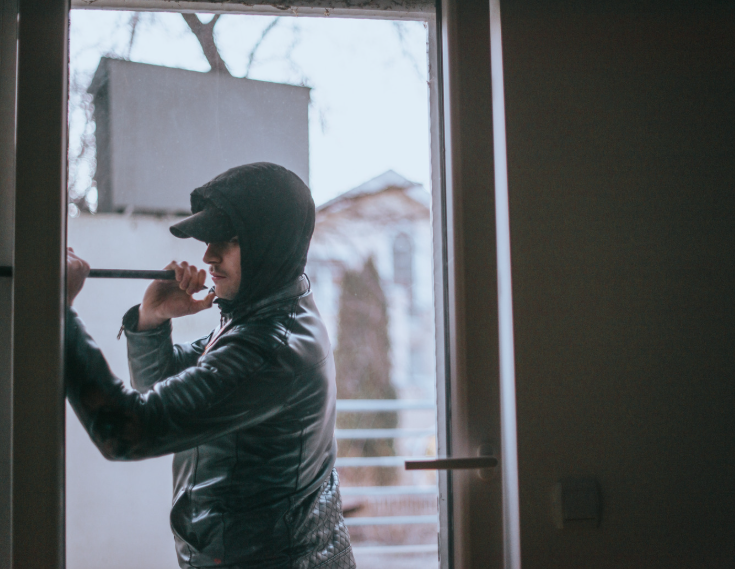
Most break‑ins are not entirely random. Before anyone swings a hammer or throws a rock, many criminals quietly test windows and doors to see which are worth the risk. Glass is one of the easiest things to probe from the outside, and the way it responds tells would‑be intruders a lot about your security. Understanding how they “check” your windows helps you spot weak spots before someone else does.
1. Light Taps To Hear How The Glass Sounds
A quick knuckle tap or tool tap on the glass can reveal thickness, looseness in the frame, and sometimes whether there’s any film present. Thin, rattly glass in a flexible frame sounds different from solid, secure glazing. If a window buzzes in its frame or clearly feels lightweight, it can be tagged mentally as an easier future target.
2. Pushing On Frames And Sashes
Before breaking anything, criminals often try to simply force their way in. Light pushing or prying at corners, sashes, and sliding doors tests how rigid the frame is and whether there’s any give. Loose, warped, or poorly locked windows may flex enough to pop a latch or create a gap—no glass break required. Even if they don’t succeed on the spot, that “give” tells them the opening is weak.
3. Checking For Unlocked Windows At Night
It sounds obvious, but unlocked windows are still one of the most common entry points. At night or in low‑traffic moments, intruders may gently try sliders, basement windows, or ground‑level casements to see if anything is already unlatched.
A window that moves freely with almost no effort suggests a future opportunity, especially if it’s in a hidden side yard or alley.
4. Watching How You Use Your Glass Doors
Glass patio and balcony doors give away a lot about daily habits. Criminals watch for people who regularly leave sliders cracked for air, who rarely use or set secondary locks, or who leave blinds open so valuables and layouts are easy to see.
They may notice which doors are used as “main entrances” and which are almost never in motion, betting that the quiet ones are less likely to be checked and secured each night.
5. Testing How Visible A Quick Hit Would Be
Before committing to a noisy smash, thieves often walk past and note:
- Street lighting and cameras
- How reflective or clear the glass is
- Whether blinds or films obscure the view inside
If it looks like a quick strike on a pane would be shielded from the road or neighbouring windows, the glass is mentally filed as a more attractive target. On the other hand, glass that clearly faces busy sidewalks, lit parking, or obvious surveillance is more likely to be skipped.
6. Looking For Old, Damaged, Or Mismatched Glass
Cracked seals, fogging between panes, chipped edges, or obviously older single glazing all read as “less maintained” to someone scouting. Criminals know that neglected glass and frames often mean outdated locks, poor anchoring, and no modern security upgrades. One weak basement window, for example, can undercut an otherwise solid front entrance.
7. Probing For Delayed Reactions
Finally, some will deliberately create low‑level disturbances—like a slightly louder tap, a jostled window, or a minor noise near the glass—just to see if anyone reacts inside or outside. If there’s no sign of lights turning on, cameras panning, or occupants checking, they learn that this spot may offer more time to work later without being noticed.
Close The Gaps Before Someone Else Finds Them
The same small tests criminals use on your glass can be your checklist for tightening window security. Reinforcing weak frames, upgrading locks, adding security film, and improving lighting and visibility all raise the effort and risk for anyone thinking about a break‑in.
Window Armour can help assess how your glass looks from a criminal’s point of view and recommend upgrades that turn quiet vulnerabilities into strong, visible deterrents.